iSchool Capstone

2013

Project Logo

Big History on ChronoZoom

Visualizing the enormous timescales associated with cosmic events is problematic, especially when juxtaposed with the relatively short amount of time humanity has existed. Instructors of Big History, an interdisciplinary approach to understanding how the forces that shaped the universe relate to and drive modern events, are looking for ways to overcome this challenge. ChronoZoom, an online, open-source technology, seeks to address the issues associated with viewing massive timescales by allowing the creation of infinitely zoomable timelines. With sponsorship from Microsoft Research Connections, we created content within ChronoZoom describing events, data and discoveries relating to the history of energy and climate. This content is intended for use by the Big History class at Lakeside Upper School. Our project allows students to interact with Big History content in a fun, intuitive and informative way. Helping them to appreciate human history in the context of the larger events that shaped our universe.
Project Logo

The Department of Mysteries: An Alternate Reality Game for Information Literacy

The Department of Mysteries game addresses a twofold problem in information literacy instruction: 1) Instructors need new techniques to prepare their students for changing information needs and practices, and 2) students require encouragement to use information resources outside of their comfort zones. Addressing these elements individually is insufficient, as past efforts have failed to address the range of learning styles. Games provide structured play and social opportunities as internal motivation, allowing students to “mess around” as they explore concepts and skills that aid their critical development. The Department of Mysteries addresses these concerns through puzzles, skill challenges, and narrative segments, both online and face-to-face.
Project Logo

The Multicultural Access Project (the MAP)

Youth librarians are uniquely able to encourage cultural awareness in the populations they serve. Despite increasing emphasis on cultural competence for librarians, many library science programs have no requirement for such training and librarians have never received instruction in cultural competency. The MAP project seeks to create a central hub for librarians to receive training and to access materials and resources that will provide a culturally rich and welcoming environment in libraries.
Project Logo

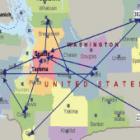
Washington Talking Book and Braille Library: Virtual Youth Programming

Although the Washington Talking Book and Braille Library has long served the needs of the visually impaired community in Washington state, they find themselves limited with their connections to remotely located patrons. I have proposed a solution in which remotely-located youth patrons can connect with local youth patrons and WTBBL staff by using web-conferencing tools. Web-conferencing tools generally include features such as audible notifications and screen reader support, allowing WTBBL patrons to connect with each other and with WTBBL staff. By connecting with their peers, WTBBL youth patrons build an even stronger network of peers. This network encourages literacy advancement, involvement in library programs and will likely develop important friendships, too.